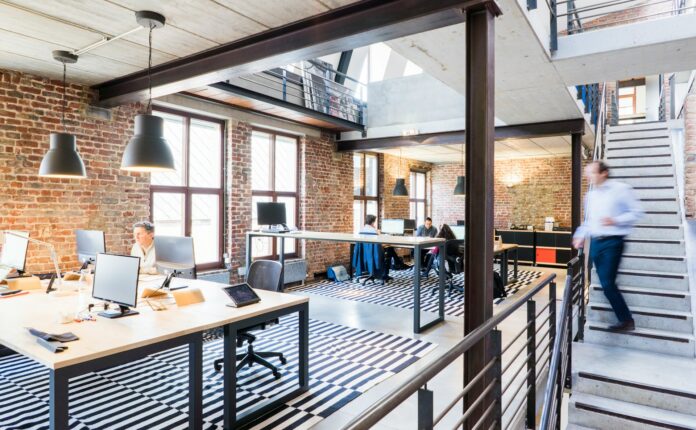
Burnout doesn’t announce itself with a dramatic fanfare. It often slips in quietly, with a skipped workout, forgotten lunch, or a weekend where “just one email” turns into four hours. Avoiding burnout isn’t about working with less ambition, it’s about working smarter, with boundaries and intention. Here’s how to protect your energy and build influence without burning out.
Reframe Burnout, It’s Not About Weakness
Burnout isn’t a sign you’re failing, it’s a signal that the system you’re operating within needs adjustment. Early-career professionals, in particular, often overextend themselves to prove their worth, but visibility doesn’t come from exhaustion. It comes from strategic effort.
Ask yourself, “What expectations am I holding that no one has actually set for me?” Overcommitment can be a self-imposed trap. Leaders notice consistent, thoughtful contributions more than frantic, unsustainable output.
Anchor Your Day with Clear Boundaries
When home becomes the office, the line between work-life and personal-life dissolves. To re-establish it, try initiating some clear boundaries. For example:
- Create a ritual “start” and “stop”. A morning walk, lighting a candle, or even switching from loungewear to “work clothes” helps your brain differentiate between focus time and down time.
- Use visual cues. If you can’t dedicate a room, use a specific chair or desk setup for work only. Packing up your laptop at the end of the day signals closure.
- Communicate availability. Block some hours on your calendar for deep focus work and set clear expectations with your manager or team. Visibility doesn’t mean 24/7 access.
Boundaries aren’t selfish, they’re strategies to protect your focus for high-value tasks and help preserve energy for long-term growth.
Design Recovery Into Your Schedule
High performers often treat rest as optional but recovery fuels influence. Breaks aren’t wasted time, they sharpen decision making and creativity. Try:
- The 90-minute rule. After 90 minutes of focused work, pause for 5-10 minutes. Walk, stretch, or take a moment to breathe.
- Micro-celebrations. Finish a task? Celebrate by stepping outside or making yourself a cup of tea. Small acknowledgements keep motivation alive.
- Protected weekends. Choose one weekend activity that has nothing to do with screens, whether it be gardening, baking, or even an analog hobby like sketching, to destress.
Boundaries aren’t barriers to progress, they preserve your best energy for high-impact tasks.
Reconnect With Purpose, Not Just Productivity
When everyday feels the same, even meaningful work can lose its spark. Re-engage with your purpose by looking at the bigger picture.
- Review your “why”. Are you learning, leading, or building towards a future role? Revisit the grand scheme which your tasks support.
- Find small wins. If recognition feels scarce, track accomplishments weekly. Influence grows when you can articulate impact.
- Seek meaningful conversations. Schedule one call a week with a mentor, peer, or teammate, not about tasks, but about growth and ideas.
Purpose transforms routine work into career-building momentum. Without it, even manageable workloads feel heavy.
Use Visibility Strategically, Not Constantly
Remote work can trigger the fear of being “out-of-sight, out-of-mind” resulting in overcompensation like replying instantly to every email or joining every meeting, but working harder doesn’t always mean working smarter.
Instead of fatiguing yourself, try these strategies to improve your influence:
- Prioritize contribution over presence. Prepare thoughtful insights for key meetings rather than attending every optional call.
- Share progress intentionally. A concise end-of-week update or a brief check-in keeps stakeholders informed without noise.
- Build influence laterally through nurturing peer relationships. Visibility isn’t just upward, it’s across teams and functions.
Strategic visibility signals maturity and confidence, while frantic availability signals burnout waiting to happen.
Adjust Your Environment to Support Focus
The wrong environment can drain energy before you even open your inbox. Here are some factors to consider for a focus-driven work environment:
- Light and posture matter. Position your desk near natural light, and invest in a chair or setup that reduces strain.
- Reduce friction. Keep essential tools within reach. Even small annoyances, like a tangled charger, can compound stress.
- Refresh your space. A plant, a photo, or even rotating your workspace weekly can subtly reset your mindset.
Small environmental shifts create psychological cues that help you stay energized and engaged.
Reflect, Don’t Just React
Burnout thrives when you’re on autopilot. Once a week, take ten minutes to ask yourself:
- What drained my energy?
- What fueled my momentum?
- What small change could I improve upon next week?
These reflections help catch small stressors before they become systemic. They also position you as a proactive professional, someone who navigates challenges with self-awareness.
The Takeaway
Burnout doesn’t have to be the price of ambition. Working from home can be both sustainable and a powerful accelerator for career-growth when approached intentionally.
Boundaries aren’t barriers to progress, they preserve your best energy for high-impact tasks. Recovery is a quiet engine that fuels creativity, not a sign of weakness. Strategic visibility builds influence far more effectively than constant availability ever could, and staying connected to purpose is what keeps momentum alive when the days start to blend together.
So the next time you power down for the day, notice the impulse to peek back at your email, and instead, pause. Step outside, even for a minute, and take a breath to remind yourself that a meaningful career isn’t forged through endless hustle or constant motion. It’s really deliberate and purposeful action that aligns with your values which nurtures your capacity to lead and grow.