In the eyes of many professionals, remote work was supposed to be the great equalizer. No commute, more flexibility, the chance to finally balance it all, but ask around and a different story emerges. Endless notifications, blurred boundaries, fatigue that hits harder than any rush-hour drive. Productivity isn’t the automatic perk we thought it would be, it’s something that needs to be built, protected, and redefined.
The good news is that remote work doesn’t have to mean reactive days and late-night catch-up sessions. With the right shifts in mindset and structure, it can actually become the environment where careers accelerate, influence grows, and leaders emerge.
So how do professionals move from scattered to strategic? It starts by reframing what productivity really means, then designing the systems and boundaries that make remote work not just manageable, but a powerful career accelerator. Here are five key pieces of advice to draw the line between efficiency and burn out and stay focused in the remote work environment.
1. Redefine Productivity From Hours Logged to Value Created
The traditional workplace equated productivity with publicity, the longer you stayed, the harder you were working. Remote work exposes how outdated that measure really is. What matters now is output, not optics.
Instead of asking, “How many hours did I work?” Consider the question, “What value did I create today?” This could mean solving a problem, building a relationship, or moving a project forward. Leaders notice outcomes, not timestamps.
Try this daily check-in:
- What are three outcomes that would make today meaningful?
- What is the single most visible action I can take that shows progress?
This simple shift can anchor focus, reduce busywork, and build credibility where it matters the most.
2. Design the Environment for Flow
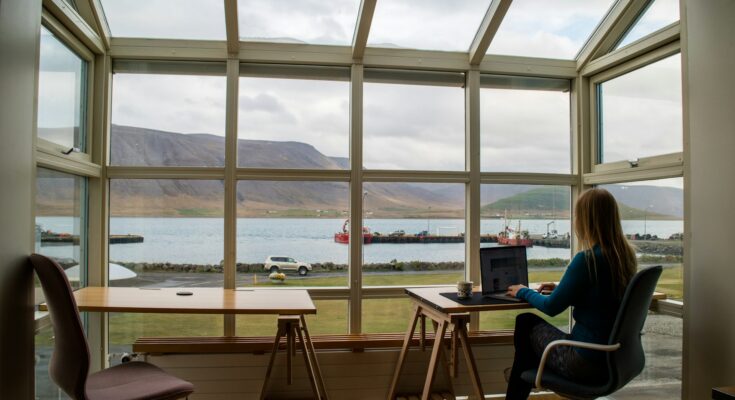
Willpower alone can’t compete with distractions. The environment does more heavy lifting than most people realize. Remote professionals who thrive often treat their workplace like a performance stage; everything is intentional, nothing left to chance.
- Create clear physical signals. A desk set-up, a particular playlist, even lighting. These cues tell your brain, “it’s work mode now.”
- Use friction wisely. Make distractions harder to access. Put the phone in another room, close non-work tabs, or add app-blockers if needed.
- Match task to energy. Save deep thinking for peak hours, admin for the lulls. Everyone has natural rhythms, map work to them instead of fighting against them.
Remote work grants freedom, but freedom without design leads to drift. Structure isn’t a restriction, it’s a performance enhancer.
The ultimate productivity guide isn’t about hacks or rigid schedules. It’s about protecting energy and aligning effort with purpose.
3. Build Visibility Without Burning Out
One of the greatest anxieties of remote professionals is becoming invisible. Without hallway run-ins or office drop-bys, it’s easy to feel overlooked, even when output is high.
Visibility doesn’t mean constant online presence. It means being strategic about when and how you show up.
- Send progress signals. Share wins and updates before they’re asked for. Leaders appreciate proactive communication.
- Curate presence. Speak up in meetings with insights that add perspective, not noise.
- Leverage asynchronous tools. Use project boards, shared documents, or short recorded updates to leave a digital footprint of contribution.
Visibility isn’t about being loud, it’s about being intentional. When done right, it amplifies influence without draining energy.
4. Protect Boundaries Like They’re Part of the Job
Remote work can blur the line between professional and personal until they both feel compromised. Left unchecked, this erodes both performance and well-being. Boundaries are not indulgences, they’re career-sustaining strategies.
Consider boundaries in three dimensions:
- Time. Define clear start and stop points. A commute-adjacent ritual, like a short walk, a coffee, or a podcast, can mark this transition.
- Space. Even a small corner can serve as a designated zone. The signal matters more than square footage.
- Access. Decide who gets your immediate response and who waits. Not every ping deserves instant attention.
Saying no to constant availability is saying yes to focus, renewal, and strategic work that moves careers forward.
5. Anchor in Purpose, Not Just Productivity
The most efficient system in the world won’t matter if it lacks meaning. Productivity without purpose leads to burnout disguised as achievement.
Ask the bigger questions:
- How does today’s work connect to long-term goals?
- What strengths do I want to showcase more often?
- Where can I lean into curiosity instead of autopilot?
Remote work gives a rare chance to reimagine, not just how work gets done, but why. Anchoring in a purpose keeps productivity sustainable.
The Final Takeaway
Remote work is both a challenge and an invitation. The challenges are obvious, distractions, isolation, and blurred lines impede upon one’s balance, but the invitation is deeper than the challenges. A remote work environment invites professionals to design a way of working that reflects value, focus, and growth, not just busywork.
The ultimate productivity guide isn’t about hacks or rigid schedules. It’s about protecting energy and aligning effort with purpose.
This alternate perspective will lead to visible results, not just in your to-do list. They’ll show up in how others see your leadership, your influence, and your career trajectory.
So maybe the question isn’t, “How do I get more done?” Rather, it’s “How do I make what I do matter more?”