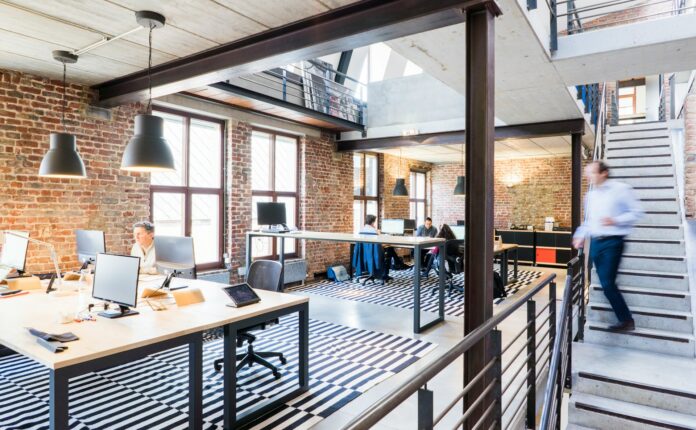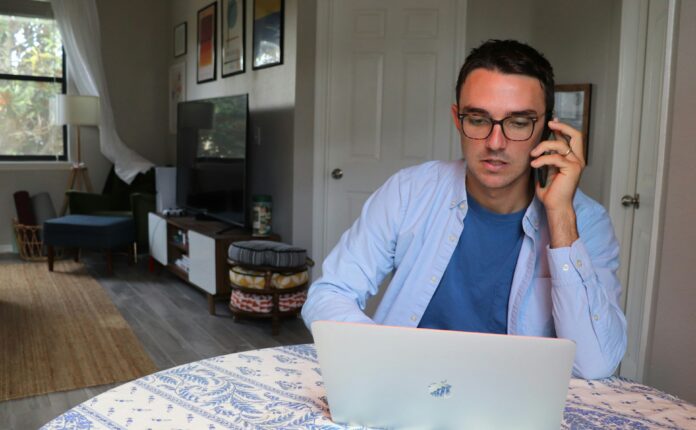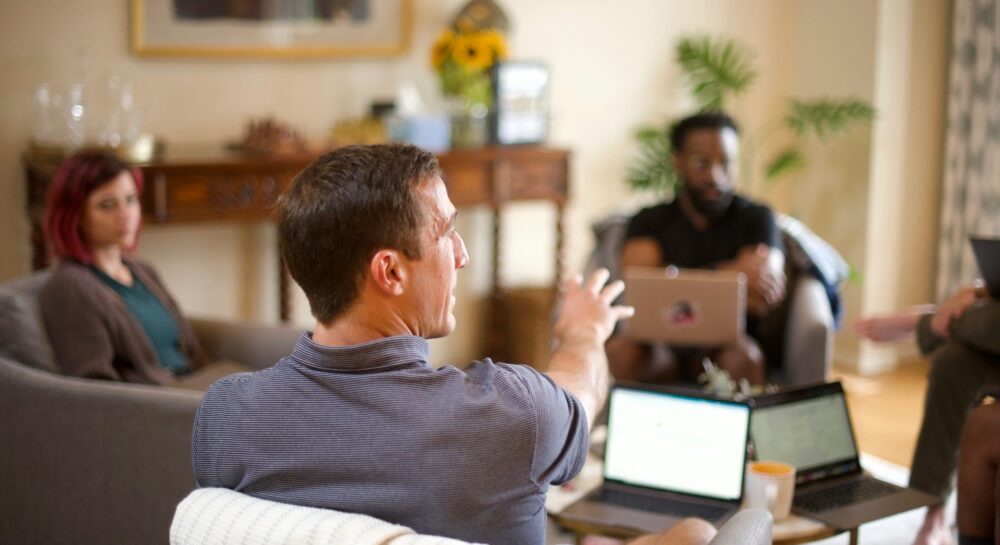
Picture two colleagues with identical performance reviews. Same output, same quality, same results. One works from the office three days a week. The other is fully remote. Guess who gets the stretch assignment?
If your gut says the person in the office, you’re not being cynical. You’re being accurate. And that’s exactly the problem.
Welcome to the hybrid visibility gap, the well-documented tendency for physical presence to shape career outcomes far more than it should. If you’ve ever felt like your remote or hybrid work somehow “counts less” even when your results are strong, you’re describing a measurable phenomenon called proximity bias.
What is The Hybrid Visibility Gap?
The hybrid visibility gap is the disparity in recognition, opportunity, and advancement between employees who are physically present in an office and those who work remotely or hybrid, even when performance is equal. It shows up in who gets the stretch project, who gets tapped for the client meeting, and ultimately, who gets promoted.
The scale of this isn’t a hunch. A 2024 study involving nearly 1,000 UK managers, found that hybrid workers faced a 7.7% lower probability of promotion and a 7.1% lower probability of a raise. This was purely based on their work location, when no performance data was provided. And when managers were given clear evidence that a hybrid worker’s performance matched their office-based peer, the penalty vanished entirely.
What this tells us is that the bias isn’t really about performance but about what managers can and can’t easily observe.
Why Presence Gets Mistaken for Performance
This isn’t a new problem dressed in a new decade’s clothing. A landmark 2015 Stanford Graduate School of Business study of call center employees in China found that remote workers were less likely to be promoted despite being roughly 13% more productive than their in-office counterparts. A decade later, the pattern hasn’t gone anywhere; it’s just gotten more data behind it.
The KPMG CEO Outlook 2024 found that 87% of CEOs surveyed say they’re likely to reward employees who make the effort to come in with favorable assignments, raises, or promotions. Likewise, in Owl Labs’ State of Hybrid Work report, 55% of employees say their managers view in-office colleagues as harder working and more trustworthy, according to .
None of this is really about laziness or lack of trust. It’s what economists call statistical discrimination. In the case of hybrid work, when direct performance data is missing, managers unconsciously fill the gap with assumptions based on proximity and direct visibility.
The “Out of Sight” Trap
There’s a reason this matters beyond individual frustration. Research has flagged that remote arrangements are disproportionately taken up by working parents, caregivers, and other groups already navigating structural disadvantage. This means proximity bias doesn’t just slow individual careers. It can quietly widen existing gaps at the top of organizations.
And the cost compounds. When leaders think of who to tap for a new opportunity, the people who come to mind first are the ones they’ve physically crossed paths with recently. Not the strongest performer. The most visible one.
Expertise without visibility is just kept potential. Take the Career Visibility Diagnostic and find out what to do next.
How to Close the Hybrid Gap From Where You Sit
You can’t personally fix your manager’s unconscious bias. But you can make it much harder for your work to be overlooked.
1. Document Your Work As You Go
Build a running record: written updates, completed milestones, measurable outcomes. Employees who document consistently walk into calibration conversations with evidence a manager’s memory simply can’t compete with. This is the single strongest defense against a bias that’s rooted in what people forget to notice.
2. Be Proactive, Not Reactive
Don’t wait to be asked how a project is going. A short, regular update—what’s done, what’s next, what it delivered—closes the information gap that fuels proximity bias in the first place.
3. Choose Your Visible Moments Deliberately
You don’t need to be in the office five days a week to be seen. You need a few well-chosen moments of real presence: leading a key meeting, presenting results directly, showing up for the conversations where decisions get made.
4. Ask Directly What Your Manager Sees
A simple, non-defensive question—”What have you noticed about my work this quarter?”—often surfaces exactly where the visibility gaps are, before they show up in a review.
5. Find A Sponsor To Advocate For You
Since so much of this bias is about who’s top of mind, having someone senior who mentions your work in rooms you’re not in is one of the most effective counterweights available.
The Reframe on Hybrid Visibility Gap
The data is clear on one point that should be reassuring, not discouraging. When performance is made visible, the bias disappears. That means this isn’t a fight against an unbeatable force. It’s a gap that closes the moment your work becomes impossible to overlook.
The hybrid visibility gap is real, well-documented, and not your fault. But waiting for it to fix itself isn’t a strategy; building a visible, evidence-backed track record is.
Write down what you accomplished. Share it before you’re asked. Make sure the people making decisions about your future have something to see, not just something to assume.