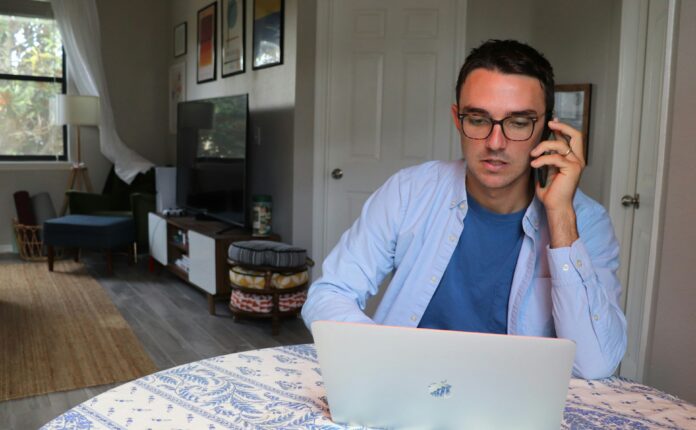
I remember the moment it hit me. I’d just wrapped up a big presentation—slides sharp, insights solid, applause virtual but sincere. I sat back, proud. Then… crickets. My manager didn’t mention it in our 1:1. My teammates didn’t reference it in Teams. Not a single emoji reaction from leadership. And that’s when it hit: doing great work isn’t the same as being seen for great work.
In a world where remote and hybrid work have become the norm, being productive isn’t enough to move the needle on your career if no one knows what you’re producing or why. While visibility still matters (maybe more than ever), when you’re not physically in the office you have to build it with intention.
The Visibility Gap: Why Remote Workers Can Get Overlooked
There’s real research showing what many of us suspect anecdotally. Remote workers are promoted less often than their in-office peers. One analysis found a 31% lower promotion rate for remote employees over a year’s period.
Studies show remote work can diminish social capital and reduce day-to-day visibility with supervisors and colleagues, even if your output is strong. Others highlight how remote setups shrink informal interactions, such as casual chats, spontaneous ideas, and social cues that build influence over time.
This isn’t an argument against remote work; rather it’s for how visibility plays a strategic role in career momentum. Hybrid models, for instance, can boost productivity and employment satisfaction without harming advancement when thoughtfully designed.
The good news? Visibility is not luck. It’s a skill you can cultivate with intention, discipline, and strategic action.
What Visibility Really is
Visibility is being recognized as valuable, known for specific contributions, and associated with ideas and impact people remember.
High visibility looks like:
- Leaders knowing your name—and your work—without prompting.
- People referring others to you because they trust you deliver value.
- You being invited to the table before decisions are made, not after.
Visibility isn’t:
- Random chatter on Slack.
- Posting for the sake of posting.
- Being loud without substance.
It’s intentional, meaningful, and aligned with your goals.
Your Remote Visibility Playbook
The difference between being busy and being visible is intention. The visibility gap isn’t solved by louder self-promotion. It’s solved by strategic storytelling about your impact. Here’s how to do that in a way that feels authentic, professional, and sustainable.
1. Document and Share Wins
Think of visibility as translation, not self-promotion. You’re helping others see the business impact behind your work, so they can make informed decisions about talent, resources, and recognition.
Action Steps:
- Send a monthly “snapshot” email to your manager or team summarizing key accomplishments and lessons learned.
- Pair every accomplishment with context and next steps: “Here’s what I did → here’s why it matters → here’s where we’re going next.”
- Keep a running “brag doc” in Notion or Google Docs. It’s your career evidence file.
- Replace “I want to be recognized” with “I want my work to be understood.” It changes how you communicate.
2. Make Meetings Your Stage
Meetings are often the only synchronous time leaders see you. Use them not just to report progress, but to demonstrate judgment, influence, and clarity.
Action Steps:
- Enter every meeting with one clear takeaway you want people to remember about your work.
- Speak early. Research shows people who contribute in the first 10 minutes are perceived as more engaged and competent.
- When discussing challenges, frame them with agency: “Here’s the issue we’re seeing, here are two possible paths, and I’d love input on which to pursue.”
This builds a reputation for ownership and critical thinking, which are qualities that create trust visibility, not just name recognition.
Want a lower-pressure way to think through visibility first? Start with the Career Visibility Checklist to help you identify where your work may be strong but under-recognized.
3. Build Asynchronous Influence
In remote environments, influence often happens when you’re offline. Written communication becomes your proxy for presence.
Action Steps:
- Share summaries of discussions or next steps after meetings. It’s a small gesture that earns disproportionate credibility.
- Create short Loom videos explaining complex ideas. These humanize you and showcase your communication skills.
- Contribute to internal knowledge bases (Confluence, Notion, Slack/Teams threads). Make your thinking discoverable.
When colleagues repeatedly find clarity or solutions through your posts or docs, your expertise becomes institutional memory. That’s influence.
4. Develop a Relationship Cadence
Remote work can make relationships transactional. You need a system that keeps meaningful connections alive without forced networking.
Action Steps:
- Maintain a simple “relationship radar”: a 2×2 grid of people who (1) influence your work and (2) advocate for your growth.
- Set reminders to check in every 4–6 weeks; not to ask for something, but to add value (share an article, offer insight, give recognition).
- Use 1:1s to talk about development, not just deliverables. Ask questions like: “What do you see as the next big opportunity area in our function? I’d love to align my growth to that.”
Visibility rooted in relationships is about curiosity, consistency, and contribution.
5. Connect Your Work to the Bigger Picture
Many remote professionals unknowingly “narrate in isolation.” They talk about what they did but skip why it mattered. Context turns your updates into strategy.
Action Steps:
- Tie each major initiative to a company priority or metric (growth, retention, efficiency, risk).
- When sharing outcomes, use this framing: “This project helped us reduce onboarding time, which supports our broader goal of improving client retention.”
- Reflect on outcomes publicly (in team channels or wrap-ups) so others see how your thinking aligns with business goals.
This creates cognitive association: you = someone who gets the business, not just someone who executes tasks.
6. Balance Visibility and Boundaries
Let’s be honest. Remote visibility can slide into performative exhaustion: constant status updates, chat overexposure, or burnout masquerading as engagement. Sustainable visibility respects both your energy and your ethics.
Action Steps:
- Choose high-impact visibility moments over constant availability.
- If you’re in a distributed time zone, communicate clear “update windows” instead of always being online.
- Practice digital presence hygiene: meaningful responses > instant replies.
Your influence grows when people trust your consistency, not your constant presence.
7. Leverage External Visibility for Internal Credibility
What you share outside your organization can shape how you’re perceived inside it. Thought leadership—even micro-scale—can amplify your internal brand.
Action Steps:
- Write LinkedIn posts or articles about lessons learned (without breaching confidentiality).
- Volunteer to present learnings at internal town halls or communities of practice.
- Engage in professional groups or webinars where your colleagues might see your contributions.
People start to associate your name with expertise rather than just execution.
When you blend these tactics, visibility stops being an afterthought and becomes part of your professional rhythm. Over time, your digital footprint—across emails, documents, meetings, and informal touchpoints—tells a coherent story: you’re thoughtful, reliable, and impactful.
That’s the kind of visibility that travels across time zones, hierarchies, and screens.
Final Thought: Remote Visibility Amplifies Value
Doing great work is necessary. Being visible for it? That’s strategic influence. Visibility doesn’t mean loud. It means purposeful presence in communication, in collaboration, and in how you show up for your career.
This week, pick one deliverable and apply these visibility tactics. Track not just what you produce, but how you show it to the world and what doors that opens.
You don’t need to be in the room to be at the table. You just need to make sure people see you and what you stand for.